Guides

Record care guides, written on a real turntable

Five guides covering the whole job: cleaning a record, storing it so it stays clean, brushing a stylus without bending anything, and choosing between the two brush technologies that have split collectors for forty years.

Everything here is written by one person, tested on one bench, and updated in place rather than reposted. Where a figure appears, it carries a named source and a year. Where we do not have a figure, we say so in plain language instead of inventing one. That rule costs us some confident-sounding sentences, and it is the reason these pages are worth reading.

Nick Talbot · Tonebrush test bench, 25 years of records

Nick has been buying records since the late nineties and keeps about 1,200 of them in an apartment that is louder than his neighbors would like. He runs the Tonebrush test bench, which is mostly a Technics SL-1200 and a lot of patience.

Where to start

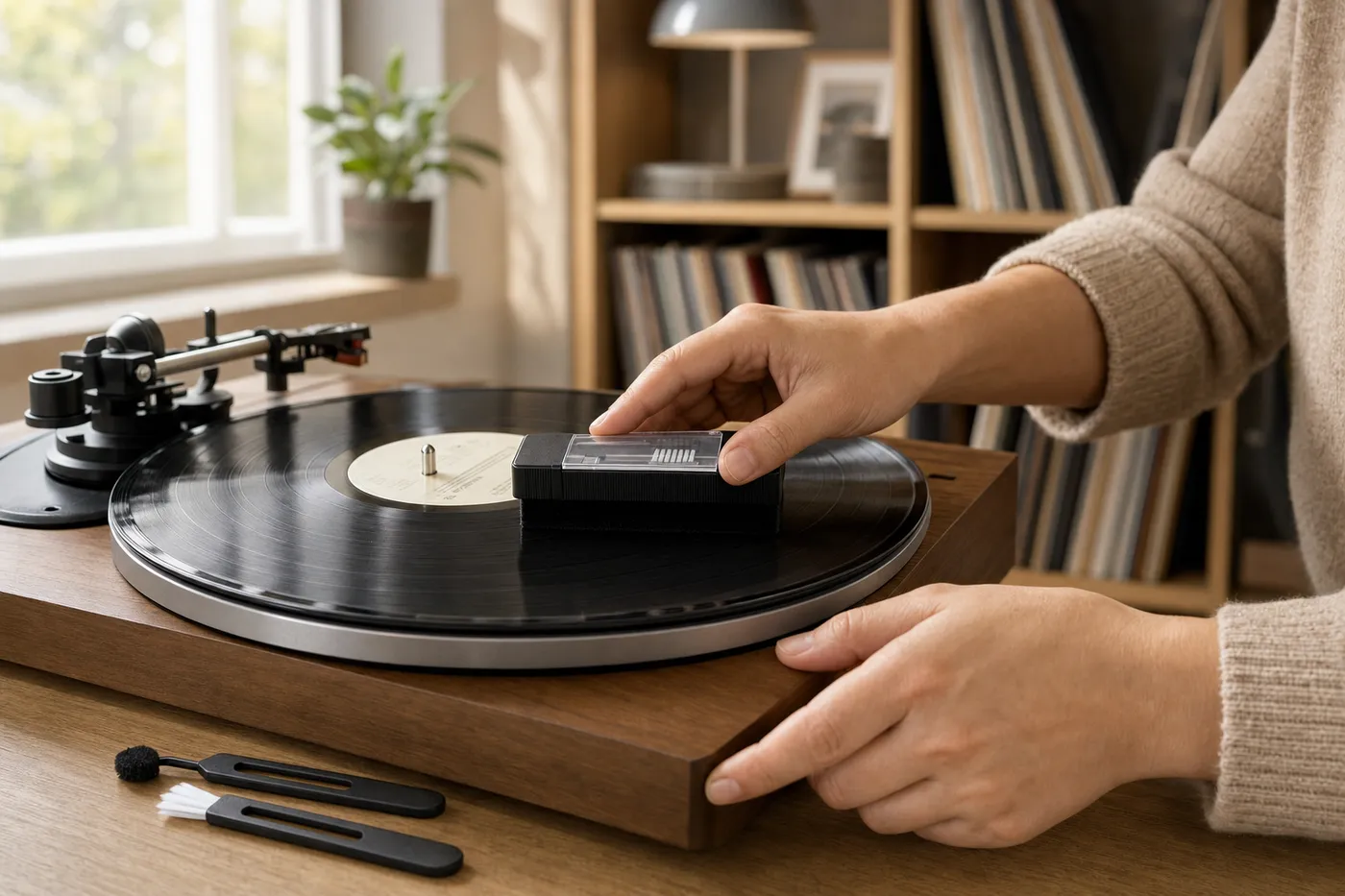
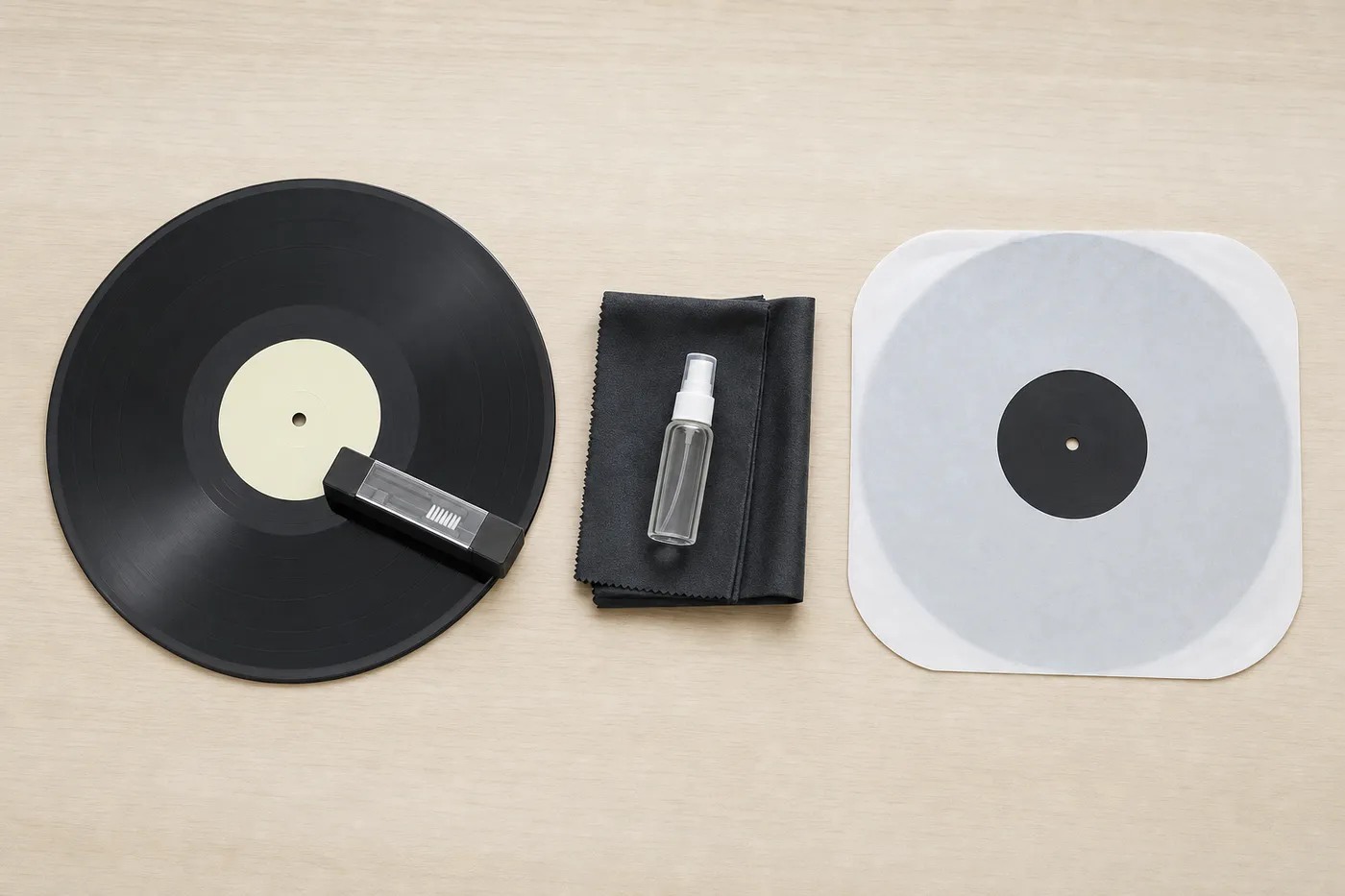
If you have just bought a turntable, read the care routine first. It is the shortest of the five and it tells you what to do in the next ten minutes rather than in theory. If you have just brought home a crate of secondhand records, start with how to clean vinyl records, because a used disc needs one proper wash before it ever meets your stylus and no amount of brushing substitutes for it.

If your records already sound noisy in a way that cleaning does not fix, the problem is usually where they live. How to store vinyl records covers upright filing, the temperature and humidity ranges federal archive guidance publishes, and why the inner sleeve is the first thing to replace. And if you are about to buy a brush and cannot decide, our carbon fiber versus velvet comparison sets both technologies against the same criteria, including the places where the carbon design beats the one we sell.

How these guides connect to the product

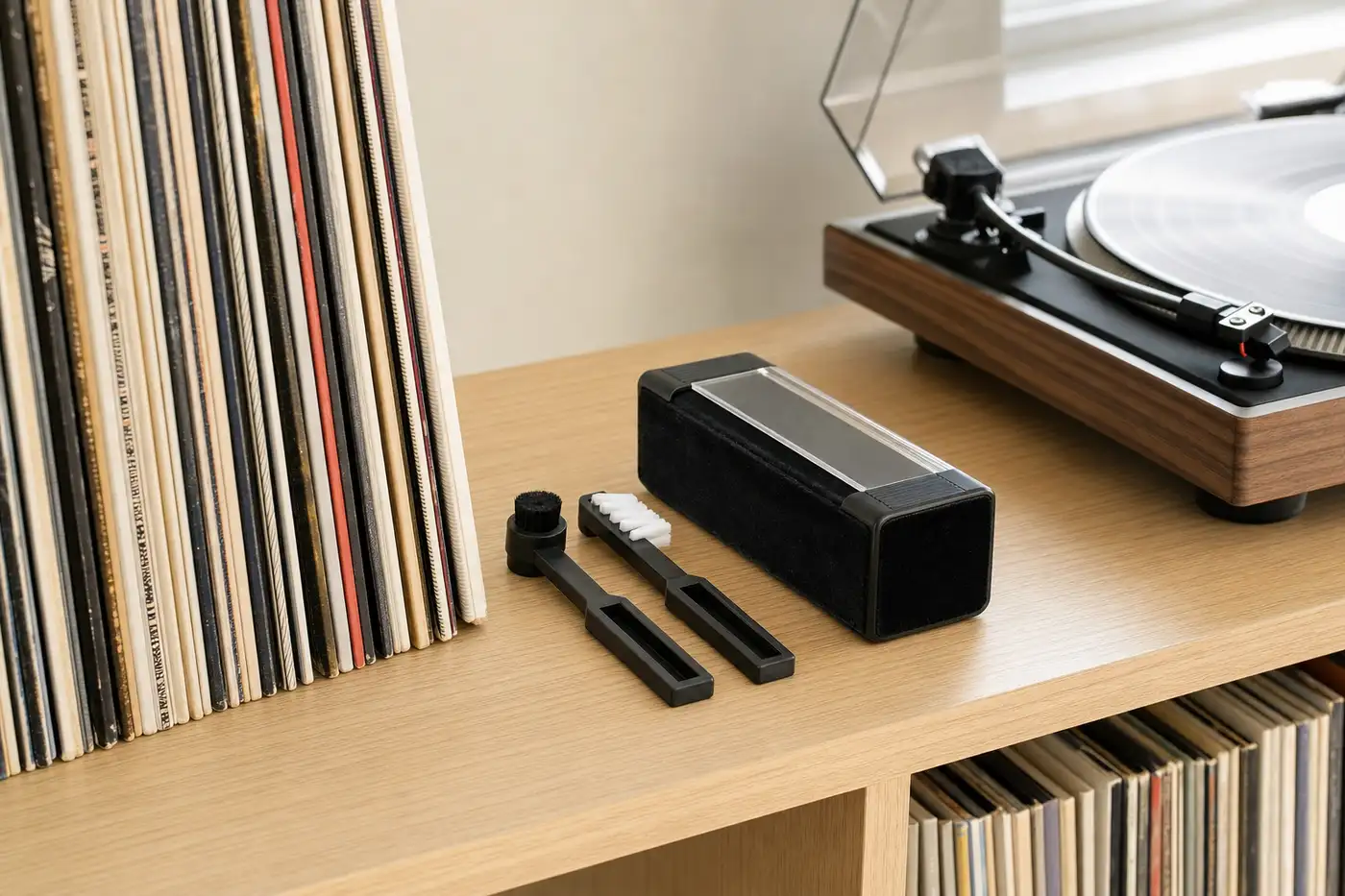
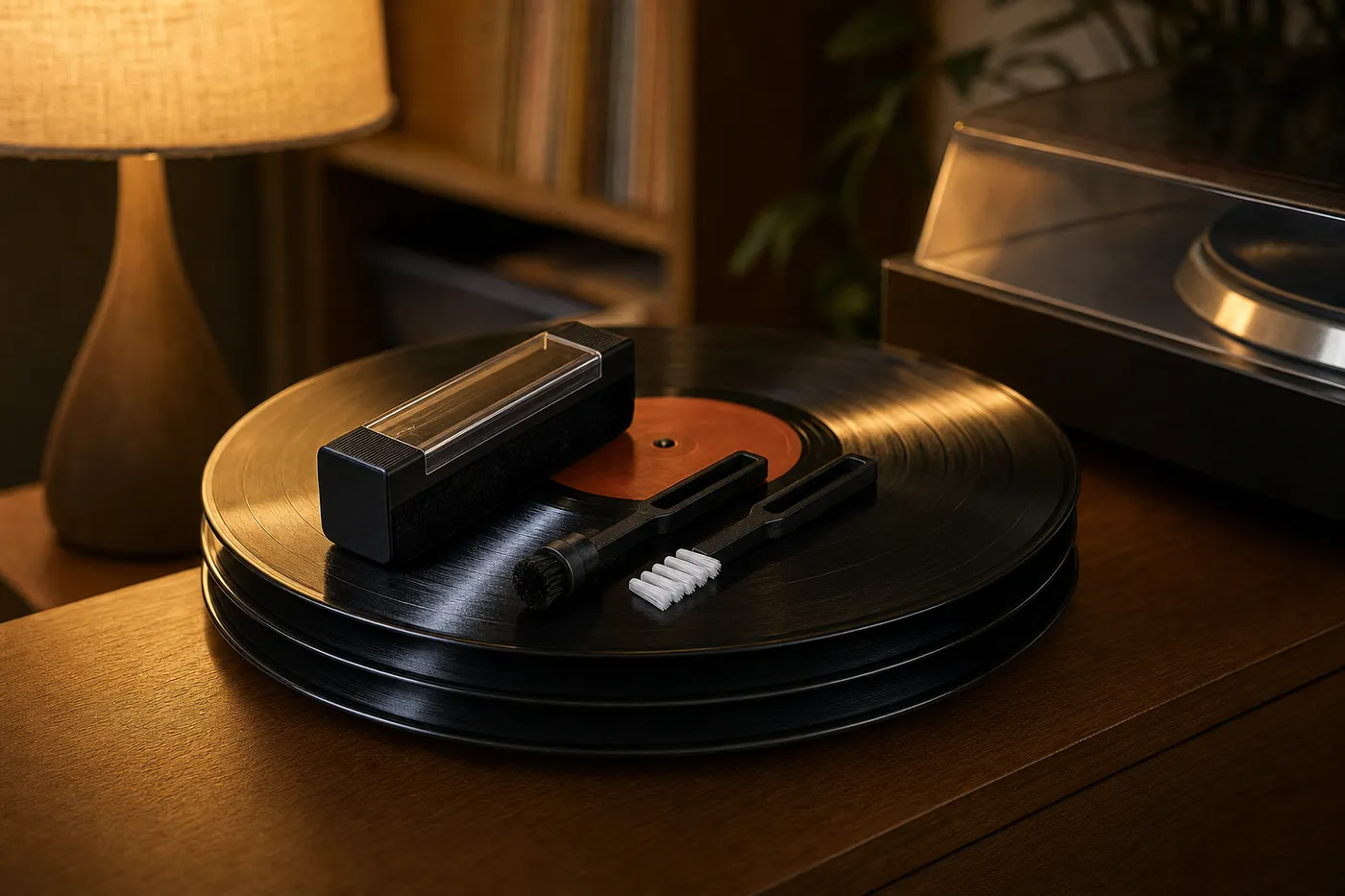
Tonebrush sells one thing, a three-piece brush set built around the daily part of record care. The guides are not a catalog. A product only appears in a section where it is genuinely the tool for the job, which is why the storage guide barely mentions it and the routine guide mentions it once. Everything we claim about the set comes from supplier specifications, our own bench, or verified buyer feedback, and the counts we publish include the complaints.

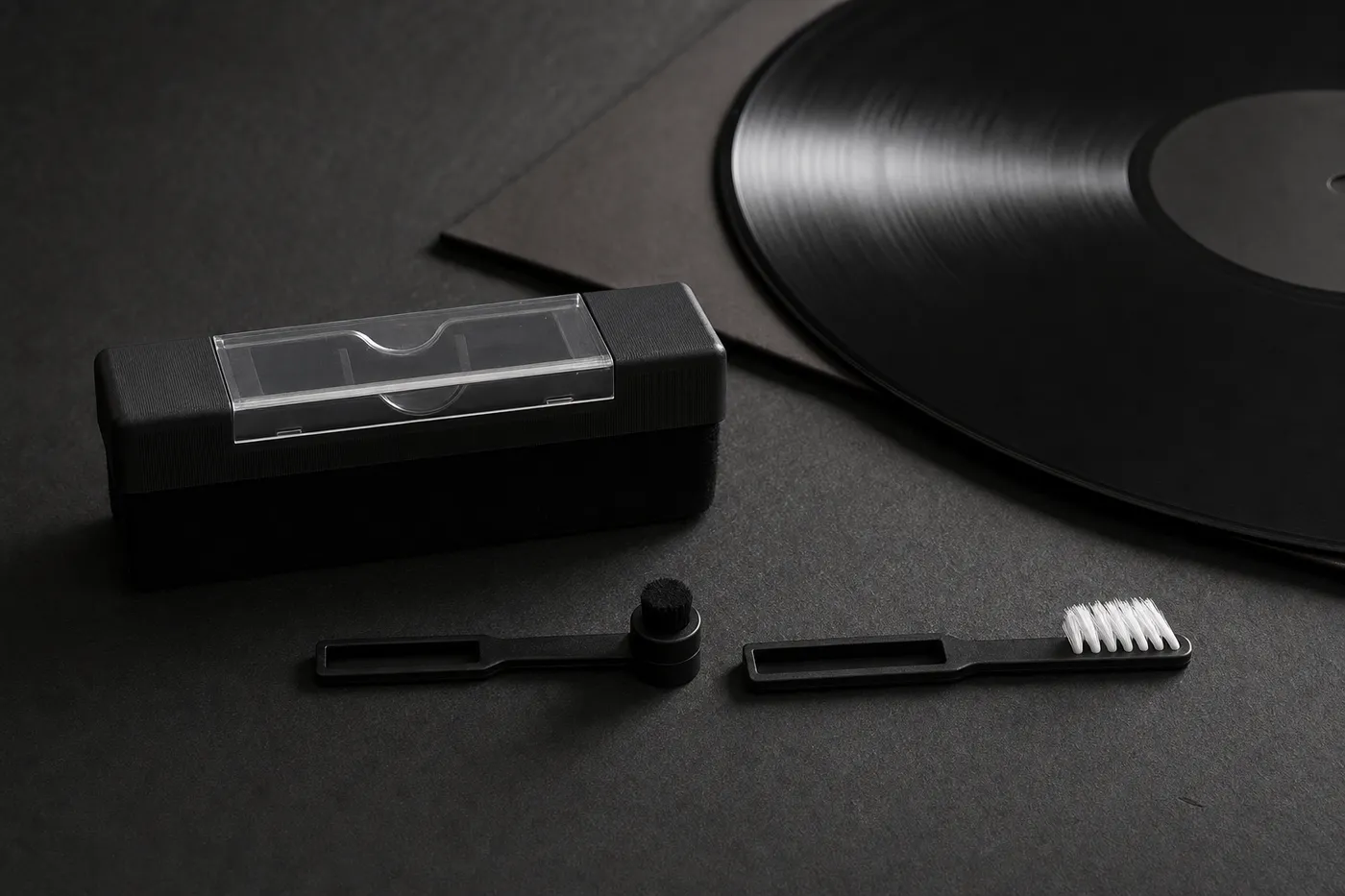
Product pages sit separately: the record cleaning kit covers the full three-piece set, the anti-static record brush page covers the velvet block and the static question, and the stylus brush page covers the small angled piece for the diamond. Buyer feedback is collected on the reviews page, our method is on how we test, and the person behind all of it is on the about page.